
Cusco Festivals 2026: Complete Guide to the Festival Calendar

Cusco Festivals: Complete Guide to the Most Important Celebrations of the Year

Cusco, the former capital of the Inca Empire, is not only a destination of imposing ruins and Andean landscapes: it is a living city that breathes tradition 365 days a year. Its festivals combine the ancestral Inca legacy with centuries of Catholic syncretism, creating a festive calendar that is unique in the world. If you are planning a trip or simply want to learn more about Cusco culture, this guide gathers the most important Cusco festivals, their dates and everything you need to know to experience them.

Why are the Cusco festivals so important?

The festivals of Cusco are not simple tourist events: they are the living expression of a cultural identity forged over centuries. Rituals dedicated to the Pachamama (Mother Earth) and Inti (the Sun) coexist with religious processions inherited from Spanish colonial times. This fusion makes each celebration an authentic experience, full of music, dance, food and popular devotion.

Calendar of the main Cusco festivals

January: Bajada de Reyes in Ollantaytambo

On January 6, the town of Ollantaytambo closes the Christmas cycle with the Bajada de Reyes. The Three Wise Men and the Child Jesus walk through the Inca streets accompanied by music, dances and community masses, marking the official end of the Christmas festivities in the region.

February: Cusco Carnival

One of the happiest celebrations of the year. From the “Thursday of Compadres” to the farewell Tuesday, the city fills with dance groups, street parades and games with water, foam and powder. Every district and community has its own group and typical dance, making February a month of color and shared fun.

March or April: Holy Week

Cusco’s Holy Week is led by the Lord of the Earthquakes (Taytacha Temblores), the sworn patron of the city. The Holy Monday procession is one of the most solemn of the Andean religious calendar, with thousands of the faithful accompanying the image through the streets of the Historic Center.

May or June: Lord of Qoyllur Rit’i

This ancestral pilgrimage takes place on the Sinakara snow-capped mountain in the province of Quispicanchi. Thousands of pilgrims, grouped in “nations” with their own costumes and dances (such as the pablitos or ukukus), climb to 4,700 meters above sea level to pay homage to the Lord of Qoyllur Rit’i, in one of the most impressive religious and Andean events in South America, recognized by UNESCO as Intangible Cultural Heritage of Humanity.

June: the festive month of Cusco

June brings together the three most important festivals of the Cusco calendar:

  • Corpus Christi: a procession of fifteen images of saints and virgins from their original temples to the Cusco Cathedral, accompanied by dances, music bands and offerings from each religious brotherhood.
  • Inti Raymi: celebrated on June 24, it is the staged re-creation of the ancient Inca Festival of the Sun. It takes place in three settings: the Qorikancha, the Plaza de Armas and the esplanade of Sacsayhuamán, where the ritual of thanksgiving to Inti (the Sun) is performed, led by the Inca.
  • Civic and cultural parades: throughout the month there are parades from the 13 provinces of Cusco, school and university dances, and the parade of giant allegories, which fill the streets with color and regional pride.

July: Virgen del Carmen (Paucartambo)

In the province of Paucartambo, a few hours from the city of Cusco, one of the most colorful patron saint festivals of the southern Andes is celebrated. Dancers with masks and elaborate costumes, such as the qhapaq qolla or the saqras, pay homage to Mamacha Carmen over several days of procession, music and devotion.

December: Santurantikuy

Every December 24, the Plaza de Armas of Cusco becomes the largest and oldest craft fair in the city. Its Quechua name means “sale of saints”, and hundreds of artisans offer figures for Christmas nativity scenes, altarpieces and religious imagery, in a tradition that dates back to colonial times.

What is the best month to visit Cusco for its festivals?

If you want to experience the greatest concentration of celebrations, June is without doubt the ideal month: it brings together Inti Raymi, Corpus Christi and the Qoyllur Rit’i pilgrimage within a few weeks. However, if you prefer to avoid the crowds of high season, July (with the Virgen del Carmen) and December (with Santurantikuy) offer equally authentic experiences with fewer tourists.

Tips to enjoy the Cusco festivals

  • Book in advance: during June and the patron saint festivals, hotels and flights sell out quickly.
  • Acclimatize to the altitude: arrive in Cusco at least two days before the main event to avoid soroche (altitude sickness).
  • Bring warm clothes: Cusco nights are cold even in festival months with strong sun during the day.
  • Respect the rituals: many of these celebrations are deeply rooted acts of faith; observe with respect and ask permission before photographing participants.
  • Try the festive food: each celebration usually comes with typical dishes and food fairs in the main squares.

Frequently asked questions about the Cusco festivals

What is the most important festival in Cusco? Inti Raymi, celebrated on June 24, is considered the most emblematic festival, as it recalls the ancient Festival of the Sun of the Inca Empire.

When is Corpus Christi in Cusco? It is celebrated in June, nine weeks after Holy Thursday, with a date that varies according to the Catholic liturgical calendar.

What is Qoyllur Rit’i? It is an Andean religious pilgrimage held on the Sinakara snow-capped mountain, considered one of the most important living traditions of the Peruvian Andes.

Conclusion

The festivals of Cusco are much more than a tourist attraction: they are open windows into a culture that has preserved its essence through the centuries. Whether you travel in June for Inti Raymi or prefer the warmth of December with Santurantikuy, each celebration offers a different way to connect with the soul of the imperial city.
Chinchero Weaving: Inca Textile Traditions Alive in Peru’s Sacred Valley

Chinchero Weaving: Where Inca Textile Traditions Are Still Alive

In the highlands of Peru’s Sacred Valley, the town of Chinchero is home to something far rarer than ruins: a living tradition. For centuries, the Quechua women of Chinchero have kept the ancestral art of Andean weaving alive, using the same fibers, natural dyes, and hand-loom techniques their Inca ancestors used long before the Spanish arrived. If you’re planning a trip to Cusco and want an experience that goes beyond photos of ruins, Chinchero weaving offers one of the most authentic cultural encounters in all of Peru.

A Living Inca Tradition, Passed Down for Generations

Long before Chinchero became known for its archaeological site, it was — and still is — a center of Inca textile mastery. The techniques practiced here were not lost to history; they were carefully preserved and passed from mother to daughter, generation after generation, almost entirely through oral tradition and hands-on practice.

Today, the weavers of Chinchero are part of organized associations and cooperatives that have worked since the 1990s to recover and safeguard traditional dyeing and weaving knowledge that had begun to disappear under the pressure of synthetic yarns and chemical dyes. Thanks to their efforts, techniques that are hundreds of years old — from cleaning raw alpaca wool to weaving symbolic Inca patterns — remain very much alive, and visitors can witness the entire process firsthand.

The Traditional Weaving Process: From Raw Wool to Finished Textile

A visit to a Chinchero weaving cooperative typically walks travelers through every stage of the process, exactly as it has been done for centuries:

1. Washing the Wool

Raw alpaca and sheep’s wool is cleaned using saqtana root, a natural plant-based detergent native to the region. The root is grated into water to create a soapy liquid, which is used to wash the wool two or three times until it’s completely clean — no chemicals involved.

2. Spinning the Yarn

Using a simple hand spindle called a pushka, the women transform raw wool into fine, even thread — a skill that takes years to master and is often taught to girls from early childhood.

3. Natural Dyeing

This is where Chinchero’s textiles truly come alive. Local weavers use natural dyes sourced entirely from the surrounding environment:

  • Cochineal insects (found on cactus pads) produce more than a dozen shades of red, from soft pink to deep crimson.
  • Indigo creates rich blues.
  • Chilka leaves produce vibrant greens.
  • Purple corn, walnut shells, and various roots and flowers round out an extraordinarily wide natural color palette.

Many demonstrations let visitors watch yarn change color right before their eyes, often with the addition of a natural mineral fixative like salt to set the dye.

4. Weaving on the Traditional Backstrap Loom

Using a backstrap loom — a technique that predates the Inca Empire — weavers create intricate geometric patterns entirely by hand, without any written pattern or machine assistance. Designs are memorized and improvised from memory, often incorporating symbolic motifs tied to Andean cosmology, nature, and community identity.

The Symbolism Behind Chinchero Textiles

Chinchero’s textiles aren’t just decorative — they tell a story. The region’s iconography is built around a central design called luraypu, around which smaller symbolic motifs are arranged. Chinchero weavers are also known for a unique and highly technical border technique called ñawi awapa, in which the border is simultaneously woven and sewn onto the edge of the textile to prevent it from unraveling — a detail experienced textile collectors specifically look for when buying in the region.

Each poncho, lliklla (traditional shawl), table runner, or scarf can take anywhere from several days to several weeks to complete, depending on its size and complexity.

Weaving Classes and Hands-On Textile Experiences in Chinchero

For travelers who want more than a demonstration, several cooperatives and family-run workshops in Chinchero now offer hands-on weaving experiences and classes, including:

  • Guided weaving demonstrations covering the full process, from raw wool to finished cloth.
  • Natural dyeing workshops, where visitors can help prepare dye baths from cochineal, plants, and roots.
  • Backstrap loom lessons, where beginners can try weaving a small sample piece themselves under the guidance of an experienced local weaver.
  • Multi-day textile immersion experiences, in some cases including a homestay with a weaving family for travelers who want a deeper cultural exchange.
  • Direct-from-artisan shopping, allowing visitors to purchase authentic, handmade alpaca textiles directly from the women who made them — supporting the local economy without intermediaries.

These experiences are ideal for slow travelers, textile and craft enthusiasts, photographers, and anyone looking for sustainable, community-based tourism in the Sacred Valley.

Why Chinchero Weaving Matters for Responsible Travelers

Visiting a Chinchero weaving cooperative isn’t just a cultural activity — it directly supports the preservation of Inca-era knowledge and provides fair, sustainable income to Quechua women and their families. Many cooperatives reinvest proceeds into their communities, funding weaving education for younger generations and helping keep traditional techniques from disappearing.

Choosing an authentic, community-run textile experience over mass-produced souvenirs is one of the most meaningful ways travelers can practice responsible tourism in Peru.

How to Visit a Chinchero Weaving Cooperative

Most weaving centers are located within walking distance of Chinchero’s main plaza and archaeological site, making it easy to combine a visit with your tour of the ruins. Many cooperatives welcome visitors daily, typically from mid-morning to late afternoon, with no reservation required for a standard demonstration — though booking ahead is recommended for hands-on classes or multi-hour workshops.

Chinchero weaving experiences pair naturally with a broader Sacred Valley day tour, often alongside the Chinchero archaeological site, the Maras Salt Mines, and the circular terraces of Moray.

Frequently Asked Questions About Chinchero Weaving

Is the weaving demonstration in Chinchero free? Most cooperatives offer free demonstrations to visitors, with the expectation that guests may wish to purchase handmade textiles afterward to directly support the weavers.

Can I take a weaving class in Chinchero? Yes. Several workshops offer beginner-friendly weaving and natural-dyeing classes where visitors can try the backstrap loom and prepare natural dyes themselves.

What should I buy in Chinchero? Popular handmade items include alpaca ponchos, lliklla shawls, table runners, scarves, and small woven bags — all dyed and woven using traditional techniques.

How long does a Chinchero weaving experience take? A standard demonstration takes about 30–45 minutes, while hands-on workshops and classes can run from 1–2 hours up to a full day for immersive experiences.

Are the dyes really natural? Yes. Chinchero cooperatives use plant-, root-, and insect-based dyes such as cochineal, indigo, and chilka, reviving techniques used since Inca times.

Experience Authentic Inca Weaving in Chinchero

Few places in the world let you witness a textile tradition that has survived, largely unchanged, since the time of the Inca Empire. In Chinchero, the art of weaving isn’t preserved behind glass in a museum — it’s alive in the hands of the women who practice it every day.

Ready to experience Chinchero’s weaving traditions firsthand? Contact us to book a Sacred Valley tour that includes an authentic Chinchero textile experience, complete with natural dyeing demonstrations and hands-on weaving classes.

Chinchero Archaeological Site: Complete Travel Guide (2026)

Chinchero Archaeological Site: The Complete Travel Guide to Peru’s “Birthplace of the Rainbow”

Tucked into the highlands of Peru’s Sacred Valley, the Chinchero archaeological site is one of the most authentic and underrated Inca destinations near Cusco. While Machu Picchu draws the crowds, Chinchero offers something different: a living Andean village where Inca terraces, a colonial church, and centuries-old weaving traditions all exist side by side. If you’re building a Peru itinerary and searching for things to do in Chinchero, this guide covers everything foreign travelers need to know — from history and entrance tickets to the best time to visit and how to combine Chinchero with the rest of the Sacred Valley.

Where Is Chinchero Located?

Chinchero sits about 30 kilometers (19 miles) northwest of Cusco, at an elevation of roughly 3,760 meters (12,340 feet) — actually higher than Cusco itself. Perched on a plateau with panoramic views of the snow-capped Chicón mountain and the Vilcabamba and Vilcanota ranges, Chinchero is often the first stop on Sacred Valley tours, positioned conveniently between Cusco, Maras, Moray, Urubamba, and Ollantaytambo.

Because of its altitude, travelers should spend a day or two acclimatizing in Cusco before visiting Chinchero and other high-altitude Sacred Valley sites.

A Brief History of the Chinchero Ruins

According to Andean legend, Chinchero is the mythical “birthplace of the rainbow,” a nod to the frequent rainbows that appear over the valley, especially during the rainy season. Long before Spanish colonization, Chinchero served as an important Inca agricultural and administrative center under the emperor Túpac Inca Yupanqui, who is believed to have built a royal estate here in the late 15th century.

The site’s signature feature is its series of massive stone agricultural terraces, engineered by the Inca to maximize farming on steep mountain slopes — a hallmark of Inca engineering also seen at Moray and Pisac. After the Spanish conquest, colonizers built a 17th-century adobe church directly on top of Inca foundations, using original Inca stone walls as the base — a striking visual reminder of the layered history you’ll find throughout the Sacred Valley.

What to See at the Chinchero Archaeological Site

1. The Inca Terraces

The centerpiece of Chinchero is its network of trapezoidal stone terraces cascading down the hillside. Unlike the more famous ruins of Machu Picchu, these terraces are still partly used for agriculture today, giving visitors a rare glimpse into living Inca infrastructure.

2. The Colonial Church of Our Lady of Montserrat

Built atop an Inca palace wall, this whitewashed adobe church features vividly painted ceilings and walls dating to the 17th and 18th centuries. It’s one of the best-preserved examples of colonial religious art in the Cusco region.

3. The Inca Wall and Trapezoidal Niches

Along the main plaza, you’ll find an impressive Inca wall with ten large trapezoidal niches — a hallmark of imperial Inca stonework and one of the best photo spots at the site.

4. Chinchero’s Traditional Textile Market

Just outside the ruins, the Chinchero market is one of the most authentic in the Sacred Valley. Local Quechua women, dressed in traditional woven clothing, sell handmade textiles, alpaca blankets, and Pachamama figurines. Many travelers also visit a nearby weaving cooperative, where artisans demonstrate natural dyeing techniques using local plants and cochineal insects — a must for anyone interested in Peruvian textile traditions.

5. Piuray Lagoon

A short walk or drive from the main plaza, Piuray Lagoon offers a peaceful, scenic stop for travelers wanting a quieter side of Chinchero, away from the main tourist flow.

How to Get to Chinchero from Cusco

There are several easy ways to reach Chinchero from Cusco:

  • Colectivo (shared van): Departs from Cusco’s Avenida Grau area toward Urubamba; the ride takes roughly 45 minutes and is the most budget-friendly option.
  • Taxi: About 30 minutes from Cusco; a convenient choice if shared with other travelers to split the cost.
  • Guided Sacred Valley tour: Most full-day Sacred Valley tours combine Chinchero, Moray, the Maras Salt Mines, and Ollantaytambo in a single itinerary, typically including transport and a bilingual guide.
  • Private transfer: Ideal for travelers who want a flexible schedule or plan to continue on to Urubamba or the Machu Picchu train station in Ollantaytambo.

Entrance Tickets: Do You Need the Boleto Turístico?

Yes — entry to the Chinchero archaeological site and its church requires the Boleto Turístico del Cusco (Cusco Tourist Ticket). This official pass covers entrance to 16 sites across Cusco and the Sacred Valley, including:

  • Chinchero
  • Pisac
  • Ollantaytambo
  • Moray
  • Tambomachay, Q’enqo, Puka Pukara, and Sacsayhuamán (near Cusco city)

The ticket is sold in partial (single-circuit) and full versions, and prices are periodically updated, so it’s best to check current rates directly with the official Cusco tourism authority (DIRCETUR) or your tour operator before your trip. Chinchero cannot be visited with a standalone ticket — the Boleto Turístico is mandatory.

Best Time to Visit Chinchero

  • Dry season (May–September): The most popular time to visit, with clear skies and minimal rain — ideal for photography of the terraces and mountain backdrop.
  • Shoulder season (April, October): Fewer crowds and still relatively good weather.
  • Rainy season (November–March): Lush green terraces and, fittingly for the “birthplace of the rainbow,” a higher chance of catching a rainbow over the valley — though afternoon showers are common.
  • Sundays: Chinchero hosts one of the region’s liveliest traditional Sunday markets, when the village is at its most vibrant and colorful.

Because Chinchero sits at high altitude, mornings can be cold — pack layers, sun protection, and a reusable water bottle, and consider visiting early in the day before tour buses arrive.

Chinchero vs. Other Sacred Valley Sites

Travelers often ask how Chinchero compares to Pisac, Ollantaytambo, or Moray. Here’s a quick way to think about it:

  • Choose Chinchero for: traditional weaving culture, a colonial church built over Inca walls, and a genuine local market experience.
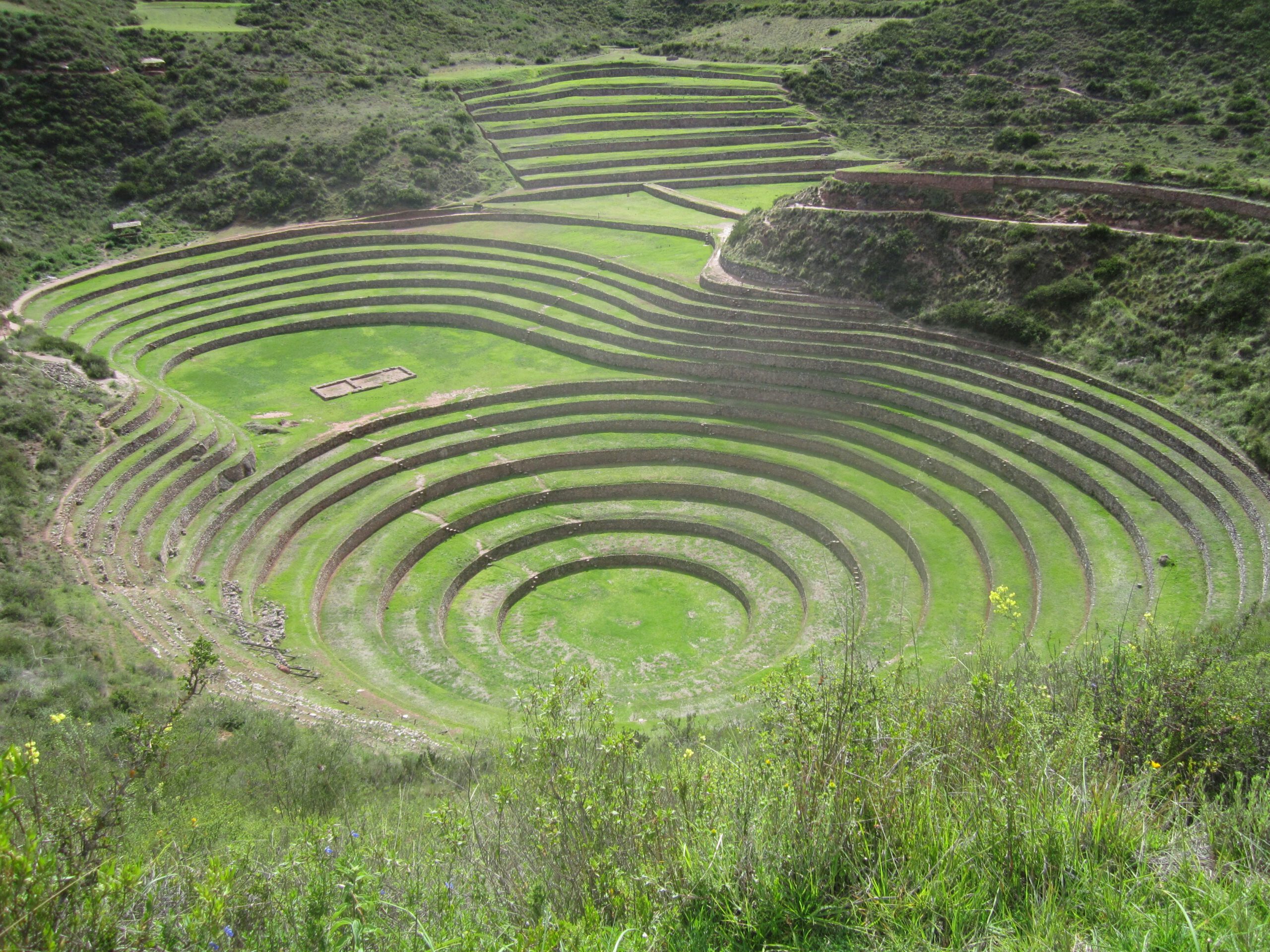
  • Choose Moray for: the unique circular agricultural terraces used for Inca crop experimentation.
  • Choose Ollantaytambo for: the most intact Inca fortress and the departure point for Machu Picchu trains.
  • Choose Pisac for: extensive ruins plus a large daily artisan market.

Most visitors combine Chinchero with two or three of these sites in a single guided day tour of the Sacred Valley.

Practical Tips for Visiting Chinchero

  • Altitude: Chinchero is higher than Cusco, so acclimatize first and stay hydrated.
  • Footwear: Wear comfortable walking shoes — the terraces and cobblestone streets can be uneven.
  • Cash: Bring Peruvian soles in small bills for the market, as many local vendors don’t accept cards.
  • Guides: Hiring a local guide (or joining a group tour) adds valuable context to the Inca stonework and colonial church that’s easy to miss on a self-guided visit.
  • Combine with Maras and Moray: These sites are close by and pair naturally with Chinchero for a full day exploring the northern Sacred Valley.
  • Respect local customs: If you photograph local artisans or their textiles up close, it’s customary to ask permission first or offer a small tip.

Frequently Asked Questions About Chinchero

Is Chinchero worth visiting? Yes. For travelers interested in living Andean culture, textile traditions, and a quieter alternative to more crowded ruins, Chinchero is considered one of the most rewarding stops in the Sacred Valley.

How much time do you need at Chinchero? Most visitors spend 1.5 to 2 hours at the archaeological site and market, though textile demonstrations and photography can extend the visit.

Can I visit Chinchero without a tour? Yes, Chinchero is easy to visit independently by colectivo or taxi from Cusco, though a guide adds helpful historical context.

Is Chinchero part of the Machu Picchu route? Chinchero is not directly on the train route to Machu Picchu, but it’s commonly combined with a Sacred Valley tour before continuing to Ollantaytambo, where most Machu Picchu trains depart.

Plan Your Visit to Chinchero Today

The Chinchero archaeological site offers a rare combination of Inca engineering, colonial history, and living Quechua culture — all just a short trip from Cusco. Whether you’re planning a full Sacred Valley itinerary or a quick cultural stop before Machu Picchu, Chinchero deserves a spot on your Peru travel list.

Ready to experience Chinchero and the Sacred Valley for yourself? Contact us to book a guided tour that includes Chinchero, Moray, and the Maras Salt Mines — the perfect introduction to Inca history and Andean culture.

Chinchero: A Magical Destination in the Heart of Cusco

Set in the heart of the Andes, Chinchero is one of the most enchanting destinations in the Cusco region. Its landscapes, Inca ruins, textile traditions and Andean communities make it a must-stop for anyone who wants to experience the cultural richness of Peru.

A Town with History

Chinchero was an important settlement during the Inca Empire and is linked to the Inca ruler Túpac Yupanqui. Today, its impressive stone walls, agricultural terraces and archaeological remains let you imagine how important this place was centuries ago.

One of its main attractions is the Chinchero Archaeological Complex, where Inca architecture meets colonial-era construction. This combination gives the town a unique historical character.

The Textile Art of Chinchero

Chinchero is also known for its extraordinary textile tradition. Artisans from the local communities preserve ancestral techniques to create colorful weavings from alpaca and sheep wool.

During a visit, you can see how the fibers are spun, how natural colors are obtained and how the traditional Andean designs are created.

More than simple handicrafts, these textiles represent knowledge, symbols and traditions passed down from generation to generation.

Landscapes That Amaze

The charm of Chinchero does not end with its historic buildings. Its fields, mountains and green landscapes offer a peaceful and authentically Andean experience.

Walking around the area lets you enjoy nature and see how the communities maintain a close relationship with the land and their traditions.

A Unique Cultural Experience

Visiting the market and the craft workshops of Chinchero is an excellent way to get close to the local culture. You can find textiles, traditional garments, souvenirs and products made by the people who live here.

In addition, buying directly from the artisans helps keep this important cultural tradition alive.

Why Visit Chinchero?

Chinchero is ideal for travelers looking for an experience that combines:

  • Inca history and archaeology.
  • Handicrafts and textile tradition.
  • Nature and Andean landscapes.
  • Culture and the daily life of local communities.
  • Great places to enjoy and photograph.

Chinchero Awaits You

If you are planning to visit Cusco, set aside time to discover Chinchero. Its streets, mountains, weavings and buildings tell stories that are still part of the life of its people.

Chinchero is not just a place to visit: it is an experience to get to know, feel and value Andean culture.

Ready to discover Chinchero?

Alpaca Walk in Chinchero: A Unique Andean Experience in Cusco

If you are looking for an authentic experience in the Cusco region, an alpaca walk near Chinchero is a wonderful way to connect with the landscapes, traditions, and living culture of the Peruvian Andes.

Located at more than 3,700 meters above sea level, Chinchero, Peru, is surrounded by mountains, agricultural fields, traditional communities, and ancient Inca heritage. Walking alongside alpacas through this beautiful landscape offers travelers a slower and more meaningful way to discover the Andes.

Walking with Alpacas in Chinchero

An alpaca walk in Chinchero is more than a simple outdoor activity. It is an opportunity to experience the Andean countryside while learning about one of the animals that has been closely connected to Andean communities for centuries.

As you walk along traditional paths, alpacas accompany you through fields and mountain landscapes. The peaceful rhythm of the animals makes the experience especially enjoyable for travelers looking for an alternative to crowded tourist attractions.

The scenery around Chinchero provides an incredible backdrop, with green fields, distant mountains, traditional agricultural terraces, and small Andean communities.

Alpacas and Andean Culture

Alpacas have played an important role in Andean life for centuries. Their fiber is used to create warm and durable textiles, while their presence is closely connected with the traditions and livelihoods of highland communities.

In places such as Chinchero, this relationship between people, animals, land, and textiles remains an important part of local culture.

For visitors, an alpaca experience offers the chance to learn about this relationship directly from local communities and families.

A Connection Between Alpacas and Chinchero Textiles

Chinchero is internationally known for its traditional Andean textiles. Local artisans use ancestral techniques to transform natural fibers into colorful textiles featuring traditional patterns and symbols.

Alpaca fiber is especially valued for its softness and warmth. Learning about the animals and then discovering how their fiber can become part of a traditional textile creates a deeper understanding of Andean craftsmanship.

The experience connects several elements of local life: alpacas, natural fibers, weaving, culture, and community.

A Walk Through the Andean Landscape

One of the highlights of an alpaca trekking experience near Chinchero is the landscape.

The area offers panoramic views of the Andes, agricultural fields, mountains, and traditional rural scenery. Depending on the route and season, the landscape can change dramatically, from bright green fields during the rainy season to golden and earthy tones during the dry season.

Walking instead of simply traveling by vehicle allows visitors to appreciate these details at a different pace.

An Authentic Experience for Travelers

An alpaca walk near Cusco can be an excellent option for travelers who want to experience local culture beyond the most famous archaeological sites.

It can be particularly appealing to:

  • Families looking for a memorable outdoor experience.
  • Travelers interested in Andean culture.
  • Photography enthusiasts.
  • Visitors interested in alpacas and traditional textiles.
  • Couples looking for a peaceful experience in nature.
  • Travelers seeking authentic and community-based tourism.

Why Choose Chinchero for an Alpaca Experience?

Chinchero combines several elements that make the area special: Inca history, Andean landscapes, traditional textiles, local communities, and living cultural traditions.

An alpaca walk allows travelers to experience these elements together while spending time outdoors and learning about local life.

Rather than simply taking photographs of the Andes, visitors have the opportunity to walk through the landscape and experience it more closely.

Responsible Tourism in Chinchero

When visiting Chinchero, responsible tourism is important. Choosing experiences that work directly with local communities and respecting their traditions can help ensure that tourism contributes positively to the area.

Visitors should treat the animals with care, follow the guidance of local hosts, respect private and agricultural land, and ask permission before photographing local people.

Supporting locally made textiles and community-based experiences can also contribute to preserving traditional knowledge and creating economic opportunities for local families.

Plan Your Alpaca Walk Near Chinchero

An alpaca walk in Chinchero, Cusco offers a memorable combination of nature, culture, animals, and Andean tradition.

Walking beside alpacas through the spectacular landscapes of the Cusco highlands is not simply an excursion—it is a chance to slow down, connect with the Andes, and discover the traditions that continue to shape life in Chinchero.

Come walk through the Andes, meet the alpacas, discover Chinchero’s textile traditions, and experience the living culture of Peru.

Chinchero Textiles: Andean Women, Inca Heritage and Economic Independence

Chinchero Textiles: How Andean Women Preserve Inca Heritage and Build Economic Independence

Chinchero, Peru, is widely recognized for its ancestral textile traditions, colorful weaving, and strong connection to Inca culture. For generations, Andean women have played a fundamental role in preserving this living heritage. In Chinchero, textile weaving is not simply a craft—it is a way of expressing identity, transmitting knowledge, strengthening communities, and creating opportunities for women.

Today, Chinchero textiles continue to connect the past with the present while helping many Andean women generate their own income and strengthen their economic independence.

The Living Textile Tradition of Chinchero

The textile tradition of Chinchero, Cusco, has deep roots in the Andean world and preserves techniques that existed long before the arrival of the Spanish.

During the Inca period, textiles were highly valued. Clothing and woven pieces could communicate social status, identity, community belonging, and cultural meaning. Knowledge about fibers, colors, weaving, and designs was passed from one generation to another.

In Chinchero, many families continue to preserve these traditions. Mothers, grandmothers, and daughters learn the techniques through practice, keeping ancestral knowledge alive while adapting it to contemporary life.

This is why traditional textiles in Chinchero can be understood as a form of living cultural heritage.

How Are Chinchero Textiles Made?

Creating a traditional textile requires patience, knowledge, and considerable skill. The process begins with the preparation of natural fibers, which may come from alpaca, sheep, or other locally used materials.

The fibers are spun into yarn and then dyed. Traditionally, Andean artisans have used natural ingredients to obtain different colors, including plants, flowers, roots, minerals, and other elements found in nature.

After the yarn has been prepared, the weaver uses a traditional loom to create the textile. Each stage requires precision because the final design depends on the combination of colors, threads, patterns, and weaving techniques.

For the women of Chinchero, this process represents much more than producing a beautiful piece of fabric. It is a way of preserving knowledge that has been transmitted across generations.

The Colors of Chinchero Textiles

Color is one of the most recognizable characteristics of Chinchero weaving.

Bright reds, deep blues, greens, yellows, oranges, and other tones are carefully combined to create distinctive patterns. Many traditional artisans continue to use natural dyes, demonstrating their knowledge of local plants and materials.

Colors can have cultural and symbolic associations, and their meaning may vary according to the design, community, and context. Rather than being merely decorative, the combination of colors contributes to the story and identity expressed through each textile.

Andean Figures, Symbols and Stories

The figures woven into Chinchero textiles are an important part of Andean visual culture.

Geometric shapes, plants, animals, agricultural elements, mountains, stars, and other motifs can appear in traditional designs. These elements may represent aspects of nature, agriculture, spirituality, community life, or the relationship between people and their environment.

A textile can therefore be understood as a visual language. Through patterns and symbols, Andean women preserve memories, traditions, and a connection with their ancestors.

Every piece can tell a story.

Women as the Guardians of Textile Knowledge

Andean women have an essential role in the preservation of Chinchero’s textile tradition.

For generations, weaving and textile knowledge have been passed from mothers and grandmothers to younger generations. Through this process, women have become important guardians of cultural memory.

However, textiles also have another powerful dimension: they can provide women with an opportunity to generate their own income.

Textiles and Women’s Economic Independence

For many women in Chinchero, textile production is an important source of economic opportunity.

Selling handmade textiles allows women to earn money through their own knowledge and skills. This income can contribute to household expenses, education, children’s needs, community activities, and personal goals.

More importantly, having their own income can strengthen women’s ability to make decisions about their lives.

Economic independence can give Andean women greater autonomy—the ability to decide what is best for themselves, invest in their future, and participate more actively in decisions within their families and communities.

In this sense, textile weaving is not only an ancestral tradition. It can also be a tool for empowerment.

Challenging Machismo Through Economic Independence

Machismo and gender inequality have affected women in many societies, including rural communities in the Andes. It would be inaccurate to suggest that textiles alone eliminate these challenges. However, economic independence can give women greater agency and strengthen their position within their families and communities.

When a woman can generate her own income, her work gains economic recognition. She can have greater control over how she uses her earnings and can make decisions based on her own priorities.

For the women of Chinchero, textile production can therefore represent both cultural preservation and empowerment.

The loom becomes more than a traditional tool. It can become a means of creating opportunities, strengthening confidence, and building a more independent future.

Preserving Culture While Building the Future

One of the most remarkable aspects of Chinchero textiles is the way tradition and modern life coexist.

Andean women are not simply reproducing the past. They are keeping ancestral knowledge alive while finding new ways to share and sell their work. Through tourism, local markets, cultural organizations, and direct sales, their textiles can reach people from Peru and around the world.

This creates an important connection between cultural preservation and sustainable economic opportunity.

Supporting authentic textile production in Chinchero means more than purchasing a handmade souvenir. It can help recognize the knowledge, time, creativity, and labor of the women who create these pieces.

Chinchero: Where Tradition Becomes Empowerment

Chinchero, Cusco, is a place where history continues to live through its people. Its textiles preserve memories of the Andean past while creating opportunities for the present.

The colors, figures, and symbols woven by Andean women carry cultural meaning and connect generations. At the same time, the income generated through textile production can help women strengthen their economic independence and make decisions about their own lives.

The story of Chinchero women and textiles is therefore a story of heritage, identity, resilience, and empowerment.

Every thread connects the past with the future. Every color carries a memory. And every woman who continues to weave helps keep Chinchero’s ancestral culture alive.

Chinchero Peru: Altitude, Attractions and How to Get There

Chinchero, Peru is a fascinating Andean town located in the Cusco region, famous for its Inca heritage, traditional textiles, archaeological sites, and spectacular mountain landscapes. Located between Cusco and the Sacred Valley, Chinchero is an excellent destination for travelers looking to experience authentic Andean culture and history.

Chinchero Altitude

One of the most important things to know before visiting is the Chinchero altitude. The town is located at approximately 3,760 meters (12,335 feet) above sea level.

Because of its high elevation, visitors may experience the effects of altitude, especially if they have recently arrived in Cusco. It is recommended to take it easy during the first hours, stay hydrated, and avoid excessive physical activity.

The high altitude also contributes to Chinchero’s unique landscapes, with vast agricultural fields, mountains, and traditional Andean communities.

Top Attractions in Chinchero

There are several Chinchero attractions worth visiting during your trip.

Chinchero Archaeological Site

The Chinchero Archaeological Site is one of the main highlights of the area. The site features impressive Inca stonework, agricultural terraces, walls, and ancient structures that demonstrate the advanced engineering and agricultural knowledge of the Inca civilization.

Chinchero Colonial Church

Located next to the archaeological complex, the Colonial Church of Chinchero reflects the cultural fusion between Andean traditions and Spanish colonial architecture. Its religious art and historic setting make it an important cultural attraction.

Traditional Chinchero Textiles

Chinchero is particularly famous for its traditional Andean textiles. Local artisans preserve ancestral weaving techniques and use natural dyes made from plants, minerals, and other natural materials.

Visiting a local textile center is an excellent way to learn about Andean culture and support local communities.

Andean Landscapes

The surroundings of Chinchero offer spectacular views of the Cusco Andes. Green agricultural fields, mountains, terraces, and traditional villages create an authentic Andean landscape that is perfect for photography and cultural experiences.

How to Get to Chinchero from Cusco

Wondering how to get to Chinchero from Cusco? The town is approximately 30 kilometers (19 miles) from Cusco, and the journey generally takes around 40 to 60 minutes by road, depending on traffic and transportation.

Travelers can reach Chinchero by:

  • Colectivo or local bus: An affordable option for independent travelers.
  • Private taxi: A convenient choice for travelers who prefer flexibility.
  • Organized tour: Many Cusco tours to Chinchero combine the archaeological site with other destinations in the Sacred Valley.
  • Private transportation: Ideal for travelers looking for a comfortable and personalized experience.

The road from Cusco to Chinchero offers beautiful views of the Andean countryside.

Why Visit Chinchero?

A visit to Chinchero, Cusco offers more than sightseeing. It is an opportunity to discover the living traditions of the Andes, explore ancient Inca ruins, learn about traditional weaving, and experience the spectacular landscapes of the region.

For travelers interested in Inca history, authentic Andean culture, traditional textiles, and the Sacred Valley, Chinchero is a destination worth including in a Cusco itinerary.

Plan Your Visit to Chinchero

Whether you are interested in Chinchero’s archaeological ruins, traditional textiles, local culture, or beautiful mountain scenery, this historic town offers a memorable experience in the Peruvian Andes.

Chinchero Peru is a must-visit destination for travelers who want to discover the history, culture, and traditions that make the Cusco region unique.

Ollantaytambo: A Thousand-Year Legacy That Continues to Inspire the World.

In a rapidly evolving world where authenticity, cultural heritage, and sustainable tourism have become key drivers of global travel, few destinations embody these values as powerfully as Ollantaytambo. With a history spanning more than a millennium, this remarkable Andean town stands as a living testament to innovation, resilience, and cultural excellence.

A Living Legacy of the Inca Civilization

Nestled in the heart of the Sacred Valley of the Incas, Ollantaytambo is one of the best-preserved examples of ancient urban planning in the Americas. Its original stone streets, centuries-old water channels, and impressive architectural structures continue to serve the local community today.

The iconic Ollantaytambo Archaeological Park showcases the engineering brilliance of the Inca civilization, attracting travelers, historians, archaeologists, and business leaders from around the globe. Every stone tells a story of vision, craftsmanship, and a commitment to building for future generations.

Why Ollantaytambo Matters in the 21st Century

Modern travelers are increasingly seeking meaningful experiences that connect them with local cultures and authentic histories. Ollantaytambo offers exactly that—a unique combination of heritage, community, and natural beauty.

As a strategic gateway to Machu Picchu, the town plays a vital role in Peru’s tourism ecosystem while preserving its cultural identity. Its success demonstrates how heritage conservation and economic development can work together to create sustainable growth.

For organizations, investors, and tourism professionals, Ollantaytambo serves as a powerful example of how cultural assets can drive long-term value while maintaining authenticity.

A Destination Built on Sustainability

Long before sustainability became a global priority, the people of the Andes developed systems designed to work in harmony with nature. The agricultural terraces, water management infrastructure, and urban design found throughout Ollantaytambo reflect principles that remain relevant today.

Visitors can experience:

  • Ancient Inca architecture and engineering.
  • Authentic Andean traditions and customs.
  • Stunning mountain landscapes.
  • Rich cultural and historical experiences.
  • Direct access to Peru’s most iconic heritage sites.

These elements position Ollantaytambo among South America’s most significant cultural destinations.

Preserving the Past, Shaping the Future

In today’s digital era, preserving cultural heritage requires innovation as much as conservation. Through responsible tourism, digital storytelling, educational initiatives, and community engagement, Ollantaytambo can continue sharing its extraordinary legacy with future generations.

The challenge and opportunity for leaders in tourism, culture, and business is clear: protect what makes destinations unique while creating sustainable opportunities for local communities.

Conclusion

Ollantaytambo is more than a destination—it is a living lesson in leadership, vision, and endurance. For over a thousand years, it has demonstrated how strong foundations, cultural pride, and strategic thinking can withstand the test of time.

Whether you are a traveler seeking inspiration, an entrepreneur exploring opportunities, or a global citizen passionate about heritage preservation, Ollantaytambo offers a compelling reminder that the greatest legacies are those that continue to create value for generations.

Ollantaytambo: A Thousand-Year Legacy That Continues to Shape the Future

Cusco tours

Cusco Tours Guide 2026: Best Day Tours, Sacred Valley Experiences & Local Adventures in Peru

Planning a trip to Cusco? This ancient Andean city is more than just the gateway to Machu Picchu — it is the cultural heart of Peru, full of breathtaking landscapes, Inca history, colorful traditions, and unforgettable local experiences.

If you are searching for the best Cusco tours, Sacred Valley tours, or authentic experiences with a local tour company in Peru, this guide will help you discover the top places to visit and how to organize the perfect adventure.

For personalized experiences and local tours in Peru, visit Sky Dome Peru.

⸻

Why Visit Cusco, Peru?

Located high in the Peruvian Andes, Cusco was once the capital of the Inca Empire and today remains one of the most visited destinations in South America.

Travelers come to Cusco for:

  • Incredible Inca archaeological sites
  • Traditional Andean culture
  • Scenic mountain landscapes
  • Local markets and gastronomy
  • Adventure tours and trekking
  • Access to Machu Picchu and the Sacred Valley

Cusco combines history, nature, spirituality, and adventure in one destination.

⸻

Best Tours in Cusco

Sacred Valley Tour

The Sacred Valley Tour is one of the most popular day tours from Cusco. Located between Cusco and Machu Picchu, the Sacred Valley was an important agricultural and spiritual center for the Incas.

Most Sacred Valley tours include:

  • Pisac
  • Ollantaytambo
  • Traditional Andean markets
  • Inca terraces and archaeological sites
  • Scenic mountain viewpoints

This tour is perfect for travelers interested in culture, photography, history, and local communities.

⸻

Maras Salt Mines Tour

The famous Salineras de Maras are one of the most unique landscapes in Peru. Thousands of salt pools cascade down the mountainside, creating an incredible white mosaic in the Andes.

The Maras Salt Mines have been used since pre-Inca times and continue to produce natural salt today.

Why visit Maras?

  • Stunning photography location
  • Unique geological landscape
  • Cultural importance
  • Traditional salt extraction methods
  • Easy half-day tour from Cusco

Many local tours combine Maras with Moray and Chinchero for a complete Sacred Valley experience.

⸻

Moray Tour

Moray is one of the most fascinating archaeological sites near Cusco. These circular agricultural terraces were likely used by the Incas as an agricultural laboratory to experiment with crops and microclimates.

Highlights of Moray:

  • Circular Inca terraces
  • Incredible panoramic views
  • Ancient agricultural engineering
  • Ideal destination for history lovers
  • Perfect combination with Maras Salt Mines

Moray is a must-visit location for anyone exploring the Sacred Valley.

⸻

Chinchero Cultural Tour

Chinchero is known as one of the most authentic Andean villages in Peru. Visitors can learn about traditional textile weaving techniques that have been preserved for generations.

What to do in Chinchero:

  • Visit local weaving communities
  • Learn natural dye techniques
  • Explore colonial churches
  • Discover Inca ruins
  • Experience authentic Andean culture

A Chinchero tour is highly recommended for travelers seeking local cultural experiences.

⸻

Why Choose a Local Tour Company in Peru?

Booking with a local company helps you experience Peru more authentically while supporting local communities and guides.

Benefits of choosing a local Cusco tour operator:

  • Personalized experiences
  • Small groups
  • Local expert guides
  • Flexible itineraries
  • Better cultural immersion
  • Support for local families and communities

For authentic local tours and unique experiences in Cusco and Peru, visit Sky Dome Peru Official Website.

⸻

Best Time to Visit Cusco

The best months to visit Cusco are:

  • May
  • June
  • July
  • August
  • September

These months offer dry weather and clear mountain views, making them ideal for hiking and day tours.

The rainy season usually runs from November to March.

⸻

Tips for Visiting Cusco

Before taking tours in Cusco, remember:

  • Acclimatize to the altitude for 1–2 days
  • Drink plenty of water
  • Bring sunscreen and layers
  • Wear comfortable walking shoes
  • Book Machu Picchu tickets in advance
  • Choose reputable local tour companies

⸻

Final Thoughts

Whether you are exploring the breathtaking Sacred Valley, discovering the mysterious terraces of Moray, or walking through the traditional village of Chinchero, Cusco offers unforgettable adventures for every traveler.

If you are looking for authentic experiences, personalized tours, and local guides in Peru, explore the experiences available at Sky Dome Peru Tours

Machu Picchu Last-Minute Tickets 2026: Everything You Need to Know About the Last 1,000 Daily Entry Tickets in Peru

Machu Picchu Last-Minute Tickets 2026: Everything You Need to Know About the Last 1,000 Daily Entry Tickets in Peru

Planning a trip to Machu Picchu is a dream for many travelers visiting Peru. However, one of the biggest problems visitors face is discovering that official Machu Picchu entrance tickets are already sold out online.

Fortunately, Peru offers a special system of 1,000 last-minute tickets daily in Aguas Calientes for travelers who could not reserve in advance.

These tickets are commonly known as:

  • the last 1000 Machu Picchu tickets
  • emergency Machu Picchu tickets
  • last-minute Machu Picchu entrance tickets

In this complete 2026 travel guide, you will learn:

  • how the 1,000 daily tickets work
  • where to buy Machu Picchu tickets in person
  • official rules and regulations
  • how early to arrive
  • best circuits to choose
  • how to avoid scams
  • why booking in advance is still the safest option

Whether you are traveling through the Sacred Valley, staying in Cusco, or exploring Aguas Calientes, this guide will help you organize your Machu Picchu adventure successfully.

What Are the Last 1,000 Machu Picchu Tickets?

The Peruvian Ministry of Culture officially reserves approximately 1,000 daily tickets for travelers who arrive in Machu Picchu Pueblo without prior reservations.

These tickets are sold exclusively in person in Aguas Calientes and are generally valid for the following day’s entrance. Official information is available through the Peruvian government tourism platform. (machupicchu.gob.pe)

This system was created for travelers who:

  • could not buy tickets online
  • changed travel dates unexpectedly
  • arrived in Peru without reservations
  • are traveling spontaneously through Cusco and the Sacred Valley

Where to Buy Last-Minute Machu Picchu Tickets

The 1,000 daily tickets are sold at the Ministry of Culture office in:

Aguas Calientes

Also known as Machu Picchu Pueblo.

Important:
These tickets are NOT officially sold:

  • through WhatsApp
  • on Facebook groups
  • by street vendors
  • by unofficial resellers

Travelers must present:

  • original passport
  • identification document
  • personal information

According to official regulations, the process is personal and non-transferable. (machupicchu.gob.pe)

Official online reservations can be made here:

Official Machu Picchu Ticket Platform

Official tourism information:

Official Machu Picchu Government Website

Are the 1,000 Daily Tickets Guaranteed?

No.

This is one of the biggest misunderstandings among travelers visiting Peru.

Many people believe:

“I can just buy tickets easily when I arrive.”

But during high season, the last-minute tickets may sell out quickly.

Availability depends on:

  • tourism demand
  • season
  • cancellations
  • official visitor limits
  • weather conditions

The most difficult months are:

  • June
  • July
  • August
  • September
  • Christmas holidays
  • New Year season

Several travel reports confirm that travelers often queue very early in the morning to secure availability. (magicalcuscotravelagency.com)

How the Last-Minute Ticket Process Works

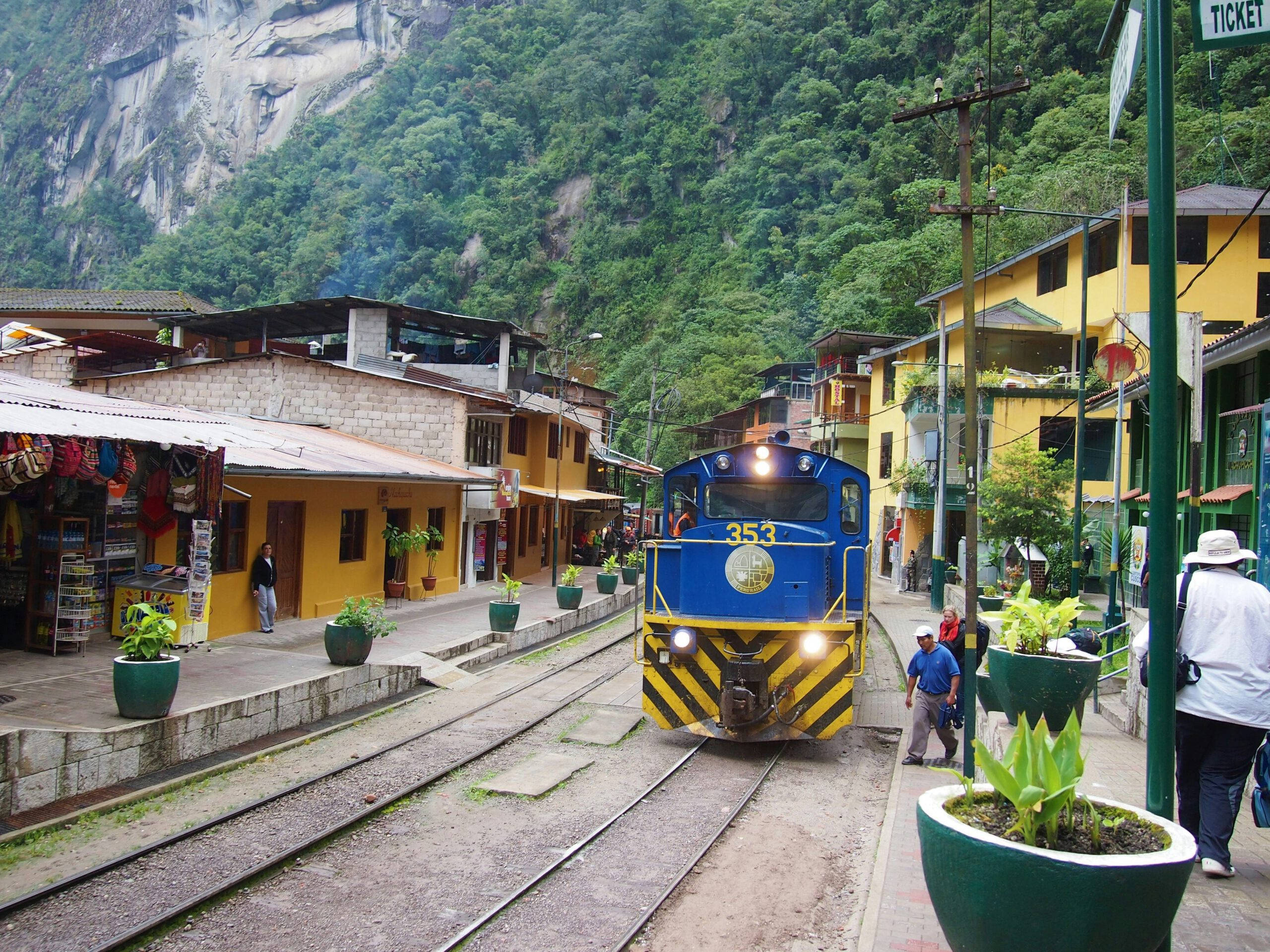
Step 1: Arrive in Aguas Calientes

Most travelers arrive by:

  • train from Ollantaytambo
  • train from Cusco
  • Hidroelectrica route

⸻

Step 2: Go to the Ministry of Culture Office

Bring:

  • passport
  • cash or payment method
  • patience during high season

The office organizes the distribution process according to availability.

⸻

Step 3: Wait in Line

During busy months, some travelers begin waiting:

  • before sunrise
  • late at night
  • the evening before

Earlier arrival improves your chances significantly.

⸻

Step 4: Select an Available Circuit

Availability changes daily.

The most requested route is usually:

Circuit 2

Because it includes:

  • the classic panoramic Machu Picchu photo
  • broader archaeological access
  • the iconic viewpoint

⸻

Machu Picchu Circuits Explained

The Peruvian government now regulates visitor flow through official circuits.

Circuit 2 — The Most Popular Option

Best for:

  • first-time visitors
  • classic postcard photos
  • full archaeological experience

⸻

Circuit 1 — Panoramic Upper Routes

Excellent panoramic viewpoints and photography locations.

⸻

Circuit 3 — Lower Archaeological Routes

Includes:

  • temple areas
  • lower terraces
  • optional mountain hikes

Some circuits may include:

  • Huayna Picchu
  • Huchuy Picchu
  • Machu Picchu Mountain
  • Temple of the Moon

Availability changes seasonally. (ticketmachupicchu.com)

⸻

Official Visitor Limits in 2026

According to updated tourism information:

  • approximately 4,500 visitors daily during low season
  • approximately 5,600 visitors during high season
  • plus the additional 1,000 in-person tickets available in Aguas Calientes (tierrasvivas.com)

These restrictions help protect Machu Picchu as a UNESCO World Heritage Site.

⸻

Best Tips to Get Last-Minute Machu Picchu Tickets

  1. Arrive Early

Earlier arrival gives better ticket options.

⸻

  1. Stay Flexible

If Circuit 2 is unavailable, another route may still offer an incredible experience.

⸻

  1. Avoid Peak Months if Possible

The easiest months are usually:

  • January
  • February
  • March
  • November

⸻

  1. Reserve Train Tickets Early

Even if you obtain Machu Picchu entry tickets, train tickets may also sell out quickly.

Especially routes connecting:

  • Cusco
  • Ollantaytambo
  • Aguas Calientes

⸻

  1. Stay Overnight in Aguas Calientes

Most last-minute tickets are for the following day.

An overnight stay is usually necessary.

⸻

Common Tourist Mistakes

Waiting Until the Last Minute

The biggest mistake.

Machu Picchu is one of the most visited destinations in South America.

⸻

Trusting Fake Sellers

Be careful with:

  • fake agencies
  • social media scammers
  • unofficial ticket promises

No one can guarantee official tickets unless the process is completed legally through authorized channels.

⸻

Forgetting Bus Tickets

Travelers also need transportation between:

  • Aguas Calientes
  • Machu Picchu entrance gate

⸻

Why Machu Picchu Sells Out So Fast

Machu Picchu is one of the most famous travel destinations in the world.

Most travelers combine their trip with:

  • Maras Salt Mines
  • Moray
  • Chinchero
  • Rainbow Mountain
  • Sacred Valley tours
  • local Andean cultural experiences

Because of this global demand, tickets can disappear very quickly.

⸻

Stay Near the Sacred Valley Before Visiting Machu Picchu

Many travelers visiting Machu Picchu choose to stay in the Sacred Valley before continuing toward Aguas Calientes.

Sky Dome Peru offers:

  • luxury glass domes
  • glamping experiences in Peru
  • local Sacred Valley tours
  • alpaca walks
  • authentic Andean cultural experiences
  • customized private tours around Cusco

Located near Chinchero, it is an excellent base for travelers exploring:

  • Sacred Valley
  • Maras Salt Mines
  • Moray
  • Ollantaytambo
  • Machu Picchu

Travelers looking for:

  • local tour companies in Peru
  • glamping near Cusco
  • authentic Sacred Valley experiences
  • unique Peru accommodations

can learn more through:

Sky Dome Peru Official Website

⸻

Final Recommendation

If Machu Picchu is an important part of your Peru itinerary:

Reserve your tickets as early as possible.

The last 1,000 daily tickets are an excellent backup system, but they are not guaranteed and require:

  • flexibility
  • patience
  • overnight logistics
  • train coordination

The safest strategy is:

  • booking online early
  • organizing transportation in advance
  • staying with a trusted local company in the Sacred Valley
  • planning your circuits carefully

⸻

Frequently Asked Questions

Can I buy Machu Picchu tickets in Aguas Calientes?

Yes. Approximately 1,000 daily tickets are sold in person in Aguas Calientes. (machupicchu.gob.pe)

⸻

Are the last-minute Machu Picchu tickets guaranteed?

No. Availability depends on daily demand and season.

⸻

Which Machu Picchu circuit is the best?

Most travelers prefer Circuit 2 because it includes the classic panoramic viewpoint.

⸻

What is the official Machu Picchu ticket website?

Official Ticket Platform

⸻

How early should I reserve Machu Picchu?

Ideally:

  • 6 months in advance
  • earlier during high season

⸻

Can I visit Machu Picchu without a guide?

Rules may vary according to the selected circuit and current regulations. Always verify official information before your visit.

Booking Notice